Vacation rental safety for homeowners

The most dangerous rental hazards rarely look dangerous.

A home can be clean, beautiful, and recently maintained—and still be unprepared for unfamiliar guests. Rental safety is its own discipline because strangers, children, seniors, and large groups use a property differently than the people who know it best.

What a casual walk-through misses

Clean, working, and safe are three different standards.

An untrained eye usually catches what is visibly broken. A rental-safety inspection goes further: it considers how the home will be used, whether protective systems will work together, and how several small conditions could combine during an emergency.

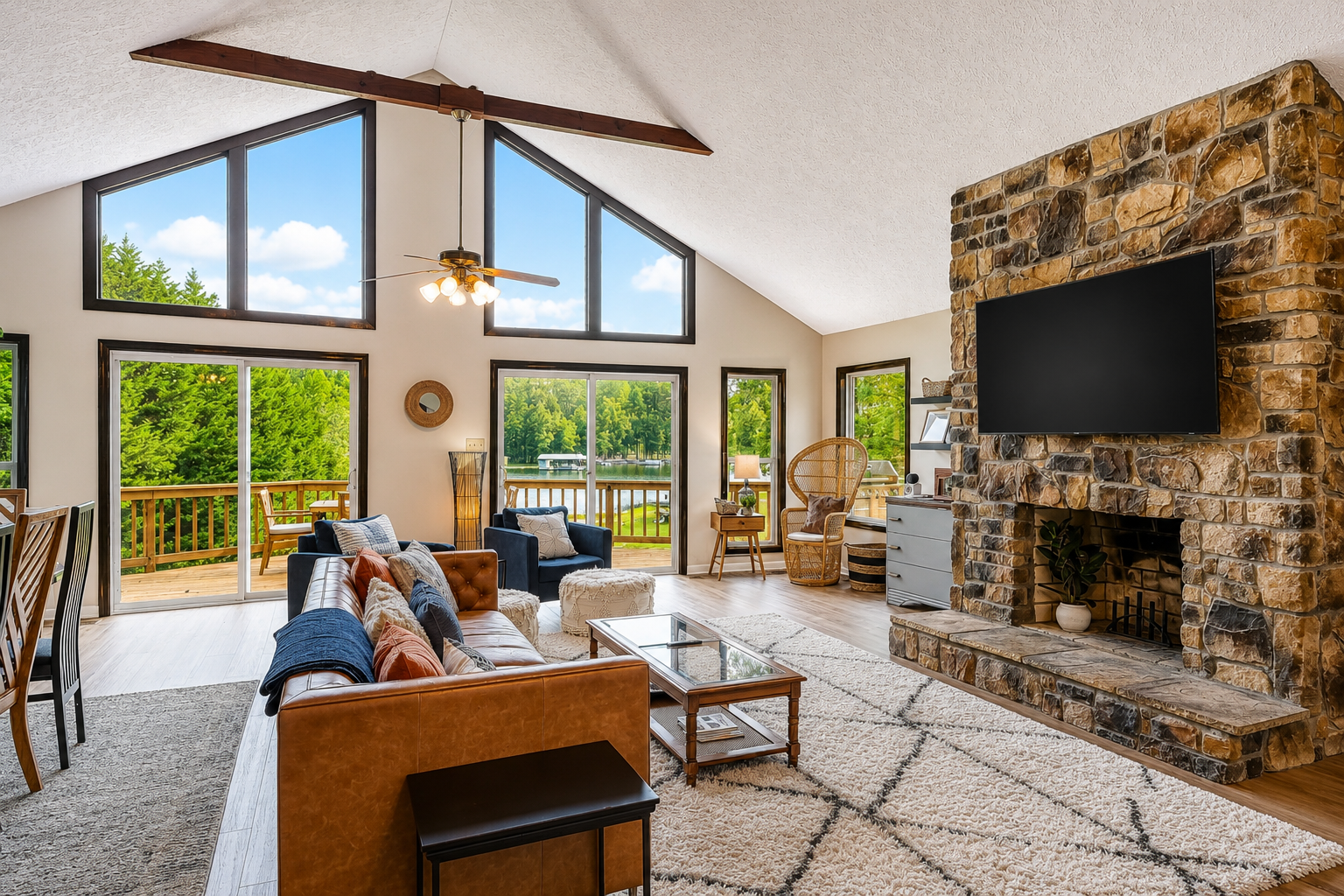
A polished Lake Anna vacation home interior that still requires a rental-specific safety review
It looks guest-ready.That is not the same as being safety-reviewed.
01

Alarm systems

An alarm can sound and still leave dangerous gaps.

The test tone is only one question. Device age, sensing type, location, maintenance, interconnection, and whether an alert can actually be heard behind a closed bedroom door all affect the warning guests receive.

02

Sleeping areas

A room can have a window without having a usable escape.

Size, opening force, height, exterior landing, and obstructions matter. A headboard, table, window unit, or security device can defeat the secondary escape route—and adding a sleeper sofa can change how a room must be evaluated.

03

Deck structure

A deck can feel solid while its critical connection is failing.

Hidden attachment points, moisture, corrosion, previous cosmetic repairs, group loading, and the added weight of a hot tub can matter more than the surface boards. Rental occupancy changes the stress a residential deck may experience.

04

Children and bunks

A comfort upgrade can quietly remove fall protection.

A thicker bunk mattress can reduce the effective guard height. Custom beds, wall-side gaps, loose supports, nearby fans, and climbable furniture create fall and entrapment risks that are easy to miss in a beautiful bunk room.

05

Electrical protection

An outlet can provide power after its protection has failed.

Wet-area protection must be function-tested, not judged by appearance. Shared circuits, hidden reset locations, exterior charging, damaged cords, and high-load lithium-battery devices introduce risks that a normal housekeeping check will not reveal.

06

Falls and placement

Furniture and décor can change the safety of the structure.

A bench or hot tub beside a guard becomes a step over it. A rug corner in the walking path, an unanchored dresser, a loose chair, or a single unexpected step may look harmless until an unfamiliar guest uses the space at night.

07

Fire features

The equipment may be safe while its placement is not.

A working grill can still sit beneath an overhang, hide grease buildup, leak at a connection, or be moved by a guest. An extinguisher behind the likely fire—or loose in a cabinet—is not truly available under pressure.

08

Water and amenities

Clear water and sturdy dock boards are only the beginning.

Access control, covers, electrical shutoffs, chemical handling, suction hazards, lighting, ladders, life-jacket sizing, shoreline changes, and severe-weather instructions all shape whether an amenity is ready for transient guests.

09

Emergency response

An address stored in one guest’s phone is not an emergency plan.

If that guest is the person in distress, the rest of the group may not know where they are. The property address, response contacts, extinguisher and first-aid locations, and utility shutoffs need to be physically visible and accurate.
The exposure homeowners underestimate

The liability is not only the hazard. It is what you knew—or should have known.

A vacation-rental guest generally arrives expecting the property to be reasonably safe for the stay being sold. That puts more weight on inspection, documentation, warnings, repair decisions, and follow-through than most owners realize. A beautiful listing and a signed rental agreement do not replace an operating safety system.

01

Once a concern is documented, the clock starts.

A guest message, cleaner photo, maintenance note, prior inspection, or owner conversation may establish that a condition was known. Recording the issue without closing the loop can create evidence of notice rather than evidence of responsible care.

02

No record creates a different problem.

After an incident, “we always check that” is difficult to prove without dated records. Owners need to show what was reviewed, who reviewed it, what failed, what was corrected, and when the home returned to guest-ready status.

03

A warning does not repair a physical hazard.

Signs and instructions matter, but they do not make an unstable railing, blocked escape window, failed outlet protection, or unsafe grill placement acceptable. Critical warnings also need to reach every guest—not only the person who booked.

04

Predictable misuse is still predictable.

Guests move grills, add visitors, charge unfamiliar equipment, let children climb, and use amenities without reading instructions. House rules help, but a professional review also asks what a reasonable guest may do when nobody is watching.

05

The amenity creates the expectation of safe use.

Advertising bunks, a hot tub, fire pit, dock, kayaks, bikes, or an elevated deck invites guests to use them. Each amenity adds its own access, maintenance, placement, instruction, and emergency-response responsibilities.

06

Delegating a task does not create a safety program.

A cleaner may confirm presentation. A handyman may repair the item assigned. A residential inspector may evaluate property condition. Rental safety requires someone to connect guest behavior, transient occupancy, documentation, escalation, and verified completion.

Insurance deserves its own review.

A standard homeowners policy may exclude business-related property or liability exposure.

Owners should confirm that the carrier knows the home is used as a short-term rental, that the policy matches the amenities and occupancy being advertised, and that required safeguards are actually maintained. Platform protection is not a substitute for understanding the property’s own coverage.

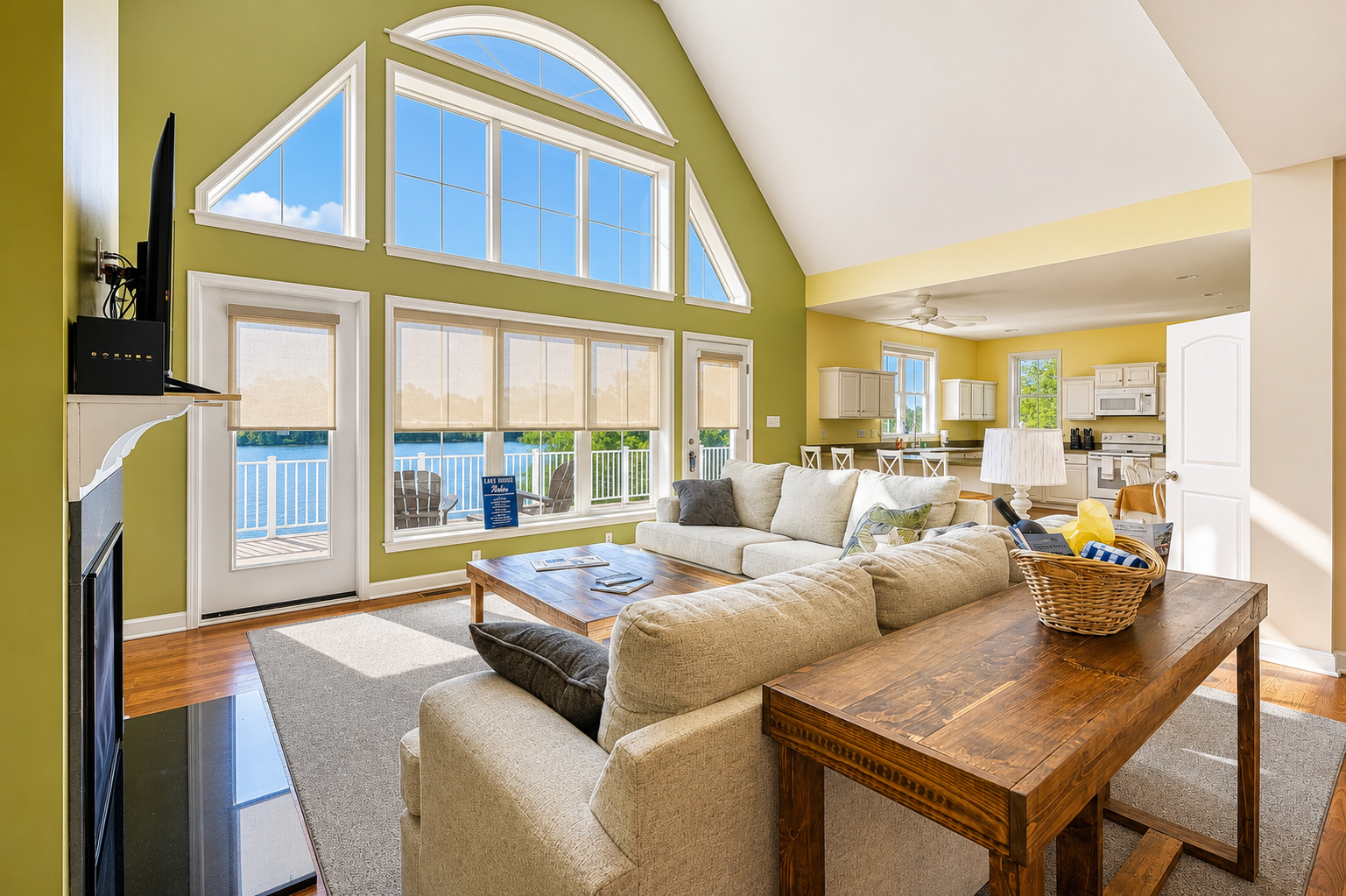
Lake Anna vacation home interior prepared for guests
Safety is a routine, not a one-time project.The right inspection rhythm helps catch changing conditions before they affect a guest.

Build an inspection rhythm

The inspection is a snapshot. The operation keeps the home safe.

Guest use, severe weather, repairs, moved furniture, dead batteries, clogged vents, loose fasteners, and seasonal equipment can change the risk after an inspection. A professional program pairs deeper reviews with smaller checks, written records, and verified follow-through.

  1. 01
    Before the home welcomes its first guests

    Complete a room-by-room and exterior review, confirm instructions, and resolve open safety concerns.

  2. 02
    Between reservations

    Look for new damage, moved grills or furniture, blocked exits, disabled alarms, loose furnishings, and anything the prior stay may have changed.

  3. 03
    At seasonal transitions

    Review HVAC, fireplaces, grills, exterior lighting, docks, decks, storm readiness, and freeze protection as conditions shift.

  4. 04
    After a storm, complaint, or repair

    Recheck the affected area and document completion before assuming the property is guest-ready again.

Make the safe choice obvious

A digital guide cannot help a guest who never opens it.

The information that prevents injury or speeds an emergency response belongs at the point of need. A well-prepared property uses a few deliberate, visible instructions instead of burying critical warnings among Wi-Fi details and restaurant recommendations.

01

Property address and emergency contacts posted where guests can quickly read them.

02

Exit routes and extinguisher locations explained in plain, direct language.

03

Occupancy and use rules for bunks, fireplaces, grills, hot tubs, pets, and children.

04

Waterfront expectations covering docks, swimming, boats, life jackets, and severe weather.

A trained local team

Safety awareness should extend across everyone caring for the home.

Every member of the Casago Lake Anna team has completed safety certification and is prepared to perform the same practical home safety inspection. Our training is built around transient occupancy, fire and fall prevention, sleeping-area egress, child safety, guest amenities, documentation, and escalation—not simply whether the home appears well maintained.

Meet the Casago Lake Anna team

Know when to bring in a specialist

A visual safety review is a starting point—not a code or engineering inspection.

Conditions involving structural stability, electrical or gas systems, fire-code compliance, environmental hazards, pools or spas, septic systems, or other specialized concerns should be evaluated by the appropriate licensed professional or authority. If there is an immediate danger or emergency, contact emergency services first.

Complimentary for Lake Anna homeowners

Do you know what an unfamiliar guest could find in your home?

Request a free safety inspection from one of our safety-certified local team members. We will evaluate the property through a vacation-rental lens, discuss visible concerns, and help identify where deeper professional review may be needed. There is no inspection fee and no obligation to change management companies.

Call (540) 406-4200 Tell us the property address and the best way to reach you.